














Share
Back to All News & Events
CPSA’s 2026 Council election is underway: learn about this year’s candidates and cast your vote!
Back to Messenger
October Messenger 2026 |
Posted October 8, 2026
Read time: 3 minutes
Voting is open now until 11:59 p.m. on Friday, Oct. 30
CPSA Council is looking to fill one regulated member vacancy for a three-year term starting Jan. 1, 2027.
This year, Council is seeking rural perspectives and is pleased to have four candidates from rural communities across Alberta vying for one open seat on Council.
Why rural representation?
The realities of providing health care in rural communities are drastically different than in urban centres. Because many patients in Alberta live and seek care rurally, it’s important for CPSA Council to have a rural perspective present at the Council table to help make the best, most informed decisions possible about all types of healthcare delivery in our province.
Why should I vote in the election?
CPSA Council is responsible for strategically guiding CPSA and steering the direction of CPSA’s work. Council is made up of 50% peer-elected regulated members and 50% public members appointed by government, along with non-voting observers.
Councillors who are regulated members bring their backgrounds as physicians and crucial clinical experience to Council’s discussions and decision-making. Their input helps ensure CPSA operates to protect the public interest while providing a practical lens on the realities of providing care.
By voting, you have a say in choosing the regulated member voices you feel best represent the interests of patients in Alberta.
We asked our candidates what unique insights their rural practice experience would bring to CPSA Council—here’s what they said:
 |
Dr. Chander Gupta Cold Lake |
| Three realities hard to see from a tertiary centre.
Capacity is a person, not a department. One physician away means a service stops, so a rule that assumes redundancy behaves very differently at a small site. Access is a safety issue. A requirement that adds a step in Calgary can add a four-hour drive from Cold Lake, and patients defer care rather than make the trip. Rural Alberta runs substantially on internationally trained physicians and on locum and virtual coverage. Policy affecting those pathways is rural workforce policy, framed that way or not. I’d bring this as a practical test of whether a standard is workable everywhere |
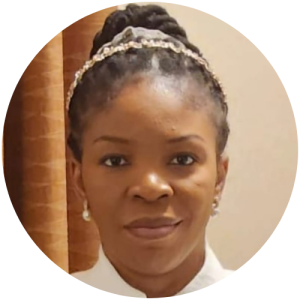 |
Dr. Glory Chukwuma Wabasca |
| My rural practice experience would bring the Council a front-line perspective on how regulation, policy, and professional standards translate into real-world care in communities where resources, workforce, and access to services can be very different from those in urban centres.
I have experienced the breadth and complexity of rural medicine, including Emergency Department care, comprehensive family medicine, and community leadership. This creates a unique perspective on the importance of appropriate standards, physician competence, access to continuing education, timely specialist support, and systems that promote patient safety. |
 |
Dr. Jan Lategan Westlock |
| Unfortunately many health workers have very little insight into the challenges that rural physicians face.
Having shared offices with family physicians and rubbing shoulders with them on a daily basis, I as a rural specialist know the challenges they face. Having been in private practice in an urban environment before, I also know about the different challenges that the urban physicians face. By being on call for many years on the RAAPID system, I have been treating patients from a wide variety of communities, providing an array of perspectives from both patients and physicians. I hope to use these insights to bring balance to Council |
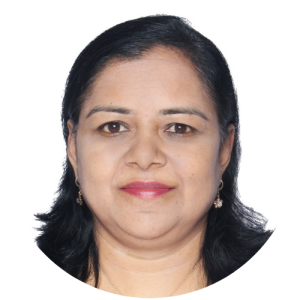 |
Dr. Nigila Ravichandran St. Paul |
| The population in the rural areas come with challenges relating to their lifestyle and generational influences from years of various geographical and societal contributions. Accessibility and reach to services and resources can be a big issue as well as awareness and readiness to seek and accept help for mental health problems.
Working with these people and navigating their hesitancies and providing a safe and comfortable environment for change requires a great and unique approach. |
Want to learn even more about this year’s candidates? View their full profiles!
Ready to vote? Log in to your CPSA Portal. Regulated members who are eligible to vote will see a prompt to cast their vote. Please note that eligible voters can only vote once and your vote cannot be changed once submitted.
Questions? Please don’t hesitate to contact us at elections@cpsa.ab.ca.
Comments for this post are now closed. If you would like to share your feedback on this topic, please email support@cpsa.ca.