







Voting is now open!
Eligible regulated members are invited to vote to fill one regulated member opening on CPSA Council. Review the four profiles below to learn about this year’s candidates and then log in to your CPSA Portal to cast your vote.
Voting runs from Oct. 1 to 11:59 p.m. MDT on Oct. 30, 2026. The successful candidate will begin their three-year term on CPSA Council starting Jan. 1, 2027.
Meet the 2026 candidates
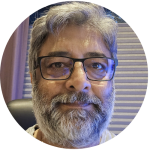
Dr. Chander Gupta
Practice location: Cold Lake | Practice discipline: Diagnostic Imaging
Read More
Dr. Chander Gupta
Practice location: Cold Lake | Practice discipline: Diagnostic Imaging
About Chander
I’m a diagnostic radiologist who has served rural Alberta for 17 years, with Cold Lake as my primary site. I led a $500,000 community fundraiser for a CT scanner and built local imaging services that spared patients hours of travel. I’d bring a rural, evidence-based lens to Council.
Credentials
MD
What are some highlights from your professional background and experience?
Seventeen years as a radiologist in rural Alberta, with Cold Lake as my primary site. I trained internationally (MD, India), with fellowships at University Health Network and Foothills Medical Centre.
At Cold Lake I led a $500,000 community fundraise for a CT scanner and built a community imaging practice offering mammography and pain management the hospital couldn’t provide. A 1.5T MRI is now coming to the site.
I sit on the Provincial Ultrasound Liaison Group and have served on RFP panels selecting ultrasound and CT equipment for AHS facilities.
Work published in Radiology (RSNA) taught me to ground decisions in evidence.
What is your reason for running?
Council decisions land in every practice in Alberta, but rural practices are furthest from the room where they’re made. Standards designed for tertiary centres don’t always translate to a small site, and when they don’t, it’s rural patients who feel it first, through reduced access or a service that stops.
I’m running to be the voice that asks, on every decision: how does this land at a small rural site?
In Cold Lake, protecting patients and sustaining a rural workforce aren’t competing goals; they’re one question. A community that can’t keep physicians can’t offer safe, timely care. I want CPSA’s standards to work everywhere in Alberta
CPSA’s mandate focuses on acting in the public interest. How would you contribute to this as a Councillor?
A Councillor serves the public through governance: setting standards, shaping policy and holding CPSA accountable to its mandate, not through day-to-day operations.
I’d ensure “the public” always means every Albertan. Outside major centres, protection isn’t only competence and conduct; it’s timely access to safe care. I’d test each policy against one question: does this protect patients everywhere, including where resources are thin?
Concretely: ground decisions in evidence and patient impact, surface access consequences that are invisible from a tertiary setting, and uphold transparency and consistent standards the public can trust.
What unique insights would your rural practice experience bring to CPSA Council?
Three realities hard to see from a tertiary centre.
Capacity is a person, not a department. One physician away means a service stops, so a rule that assumes redundancy behaves very differently at a small site.
Access is a safety issue. A requirement that adds a step in Calgary can add a four-hour drive from Cold Lake, and patients defer care rather than make the trip.
Rural Alberta runs substantially on internationally trained physicians and on locum and virtual coverage. Policy affecting those pathways is rural workforce policy, framed that way or not.
I’d bring this as a practical test of whether a standard is workable everywhere
What else would you like your colleagues to know about you?
I regularly precept medical students in radiology; exposure matters for building interest in the specialty and in practice beyond the major centres. Volunteering has always mattered to me.
I’ll be transparent about my interests: I’m medical director of a community-based imaging practice and have sat on provincial equipment selection processes. I’d declare those and recuse wherever they touch a Council decision.
Outside medicine I’m an F1 follower and enjoy hiking, table tennis and time in nature. Council is demanding work and steady energy matters. I’d want colleagues to know me as collaborative, level-headed and someone who listens.
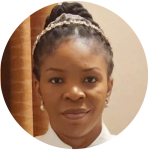
Dr. Glory Chukwuma (She/Her)
Practice Location: Wabasca | Practice Discipline: Family Medicine
Read More
Dr. Glory Chukwuma (She/Her)
Practice Location: Wabasca | Practice Discipline: Family Medicine
About Glory
I am a rural family physician with over 15 years of clinical experience spanning family medicine, emergency care, community practice, medical education, and patient advocacy.
I bring a strong understanding of the realities of rural healthcare, together with leadership experience.
Credentials
MD, FWACP, CCFP
What are some highlights from your professional background and experience?
- 15+ Years of Clinical Experience
Family medicine, emergency care, and community-based practice, including extensive rural experience. - Leadership Experience
Over three years as a Community Medical Director, working with physicians, healthcare teams, and system partners. - Teaching & Mentorship
Teaching medical students and Family Medicine residents and contributing to the development of future physicians. - Patient Advocacy & Public Protection
Strong commitment to patient-centred care, physician accountability, quality improvement, and protecting the public interest. - Collaborative Leadership
A thoughtful and approachable leader
What is your reason for running?
I am putting my name forward for CPSA Council because I believe my experience can bring a valuable perspective to the Council.
My experiences have given me firsthand insight into the realities faced by patients and physicians outside major urban centres, including access to care, continuity of care, limited resources, recruitment and retention, and the challenges of maintaining high-quality care in rural communities.
I am interested in contributing to a regulatory system that maintains the public’s trust while also recognizing and supporting physicians in the complex environments in which they practise.
CPSA’s mandate focuses on acting in the public interest. How would you contribute to this as a Councillor?
I would contribute to CPSA’s mandate of protecting the public interest by bringing a patient-centred, evidence-informed, and practical perspective to Council discussions and decisions.
Protecting the public means not only responding to concerns when harm occurs, but also proactively identifying risks, promoting quality of care, and maintaining public confidence in the medical profession.
I would use the experience I’ve gathered to help identify potential risks, and advocate for standards that are both meaningful and achievable across different practice settings.
What unique insights would your rural practice experience bring to CPSA Council?
My rural practice experience would bring the Council a front-line perspective on how regulation, policy, and professional standards translate into real-world care in communities where resources, workforce, and access to services can be very different from those in urban centres.
I have experienced the breadth and complexity of rural medicine, including Emergency Department care, comprehensive family medicine, and community leadership.
This creates a unique perspective on the importance of appropriate standards, physician competence, access to continuing education, timely specialist support, and systems that promote patient safety.
What else would you like your colleagues to know about you?
I listen carefully, value the different perspectives from others, and am comfortable having difficult but respectful conversations when they are necessary.
I also believe that leadership is about service and responsibility.
Beyond medicine, I love to sing, listen to good music, and dance. I value the joy and connection these bring, and I believe maintaining that balance makes me a better colleague, leader, and physician.
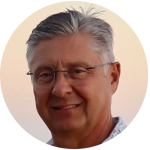
Dr. Jan Lategan
Practice location: Westlock | Practice discipline: Orthopaedic Surgery
Read More
Dr. Jan Lategan
Practice location: Westlock | Practice discipline: Orthopaedic Surgery
About Jan
I trained in South Africa, first being a family physician, and then specializing in Orthopaedic Surgery. Worked in private practice and was then recruited to Westlock in 2004 to spearhead an orthopaedic program to address the long hip and knee replacement waitlist.
Credentials
MB CH B, M Med.(Orth), FCS(Ortho)SA
What are some highlights from your professional background and experience?
In family practice in South Africa, I was exposed to a wide range of disciplines (anaesthesia, tonsillectomies, C-sections, laparotomies and GP work), which gave me a broad base understanding of these challenges.
I then specialized in Orthopaedic Surgery in 1999, working in Private Practice, I experienced both the up and downside of the public and private healthcare systems.
It was a privilege in 2004 to startup the first rural Orthopaedic program in Alberta at Westlock. We were part of the Alberta Hip and Knee pilot program , that lay the foundation for shorter hospital stay. We expanded to now have 3 fulltime orthopaedic surgeons.
What is your reason for running?
I feel that medicine, as a career, is under immense strain for various reasons and that we need people with an understanding of all the challenges, to advocate for the profession. Having been a patient many times as well, I do have the ability to address these issues with confidence.
I have the unique experience, having been a family physician and a specialist, to identify with each of those challenges.
To me patient care comes first, but it can only happen if there is a motivated and appreciated workforce of physicians and nurses.
I plan to devote my efforts to sustain this very special and valuable public health system.
CPSA’s mandate focuses on acting in the public interest. How would you contribute to this as a Councillor?
At this stage there is still a strong belief from the public that we are very fortunate to have a good quality healthcare system but that it is straining under long wait times and accessibility issues.
There is the risk that the system could collapse if changes are not made. The quality is still there but it is eroded by health worker burnout and over utilization of resources.
To ensure that the public interest is served, there needs to be a concerted effort by the various professional health organizations and public representation groups to formulate a way to protect quality and improve accessibility within the resources available to us.
What unique insights would your rural practice experience bring to CPSA Council?
Unfortunately many health workers have very little insight into the challenges that rural physicians face.
Having shared offices with family physicians and rubbing shoulders with them on a daily basis, I as a rural specialist know the challenges they face. Having been in private practice in an urban environment before, I also know about the different challenges that the urban physicians face.
By being on call for many years on the RAAPID system, I have been treating patients from a wide variety of communities, providing an array of perspectives from both patients and physicians.
I hope to use these insights to bring balance to Council.
What else would you like your colleagues to know about you?
I always put patient care first and during my 22 years of practice I have been available for my patients and colleagues 24/7, unless I was out-of-country.
The first 10 years I practiced as the only orthopaedic surgeon covering a region that stretched from Cold Lake to Jasper. During that period I was on call 80% of the time. I couldn’t have done it was it not for a wonderful wife raising our 3 wonderful children – 2 of whom decided to go into Medicine themselves.
Living in a rural community necessitated taking part in all that it offered, and we travelled many miles to many arenas with my son’s hockey career.
I have become a true Albertan.
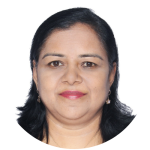
Dr. Nigila Ravichandran (She/Her)
Practice location: St. Paul | Practice discipline: Psychiatry
Read More
Dr. Nigila Ravichandran (She/Her)
Practice location: St. Paul | Practice discipline: Psychiatry
About Nigila
I am a Physician/Psychiatrist, new to Canada, since December 2025. I am providing community and inpatient services in St Paul and regions covered by St Paul area psychiatrists. I have been in Psychiatry practice for more than 24 years, I was in Singapore before moving.
Credentials
MBBS, Master of Medicine (Psychiatry), Singapore
What are some highlights from your professional background and experience?
My areas of work included clinical practice, education, leadership roles, research and public outreach about mental health.
Experience working with individuals from diverse ethnic and cultural backgrounds.
Passion to teach and train younger generations of medical personnel – students, residents and trainees.
Creating and promoting an ongoing community awareness regarding mental health and avenues of help.
What is your reason for running?
Having a representation and voice in the region and function as a conduit in understanding and implementing changes and to
enhance the camaraderie and closeness amongst practitioners in rural practice and in other areas.
CPSA’s mandate focuses on acting in the public interest. How would you contribute to this as a Councillor?
Upholding confidentiality and privacy of people under my care or those being discussed with me. Advocating for patients’ safety and risk management for everyone, as well as advocating for their justifiable rights under the ethical pillars.
What unique insights would your rural practice experience bring to CPSA Council?
The population in the rural areas come with challenges relating to their lifestyle and generational influences from years of various geographical and societal contributions. Accessibility and reach to services and resources can be a big issue as well as awareness and readiness to seek and accept help for mental health problems.
Working with these people and navigating their hesitancies and providing a safe and comfortable environment for change requires a great and unique approach.
What else would you like your colleagues to know about you?
I come from an Asian background, born and raised in India and have lived in Singapore for about two decades and have resided in Canada close to a year now. Therefore, I believe I bring a diversity of my own with an inherent adaptability and flexibility to my environment and my practice and in my communication capabilities.