










Medical device use support to prevent infection
When Albertans visit a medical clinic, they expect high-quality care in a safe space.
CPSA helps medical clinics create safe spaces for clinic teams and patients through our requirements for using medical devices. These requirements set out minimum expectations for MDR in medical clinics that perform procedures using reusable medical devices.
Reusable & single-use medical device requirements

Reusable & single-use medical device requirements
Read More
Reusable & single-use medical device compliance support
Read MoreMDR guidance & resources
These guidance and resource documents can help your clinic meet best practices and apply applicable requirements. We recommend reviewing and sharing these resources with your clinic team regularly to stay up-to-date.
MDR resources & templates |
Biological indicator testing resources |
Flexible endoscope reprocessing resources |
Sterilizer resources |
Offsite MDR resources |
Looking for infection prevention and control (IPAC) guidance and resources? Visit our IPAC page here >
Clinic training resources & courses
MDR Staff Training & Competency Templates | CPSA
Sterilization Assistant Course | University of Alberta
This course from the University of Alberta Faculty of Medicine and Dentistry is a hybrid format (online and in-person) and includes a 4-day practicum placement in clinic settings. It aims to prepare individuals for a career in MDR and infection prevention and control (IPAC).
Upon completion, you will be able to:
- apply basic IPAC principles and practices to everyday practice;
- safely and effectively transport, disassemble, clean, disinfect, assemble, function teste, package and sterilize medical devices in a community setting (dentistry, non-accredited medical clinics);
- perform quality assurance testing measures to ensure medical devices are safe to use;
- understand the minimum required documentation of reprocessing activities; and
- understand the requirements for routine and preventative maintenance of all automated reprocessing equipment including basic troubleshooting.
Reprocessing in Community Health Care Settings | Public Health Ontario
These best practices help you prevent the spread of infection. If you are responsible for MDR in a community clinic, this Public Health Ontario course is for you.
In 9 modules (2-4 hours total), you’ll learn:
- the general concepts in reprocessing;
- information and skills for safely reprocessing reusable medical equipment/devices;
- information related to the importance of following best practices and the consequences of inadequate reprocessing; and
- best practices in reprocessing.
MDR Techniques | Medical Device Reprocessing Association of Ontario (MDRAO)
The MDRAO Medical Device Reprocessing Techniques online course provides information to support those working in the field of reprocessing. The course is self-paced, does not include a practicum component and must be completed in a 4-month timeframe.
This course supports those looking for an in-depth understanding of the principles of decontamination, assembly and sterilization and provides participants with a basis for critical decision-making when unusual incidents occur. The course materials rely heavily on the latest Canadian Standards Association standards and regulations that guide Canadian health care.
Medical device FAQs
To see more FAQs, click on All FAQs and filter by the "Medical devices" category
All FAQsCan a new medical clinic begin reprocessing before a medical device reprocessing assessment is completed?
Yes. New clinics, including clinics that have relocated, may begin reprocessing reusable medical devices before an on-site medical device reprocessing assessment. Clinics must perform installation and operation qualification of their sterilizer prior to reprocessing devices to be used on patients.
Clinics are responsible for maintaining compliance with all reusable and single-use medical device requirements, including:
- Reprocessing procedures
- Documentation and record keeping
- Staff training and competency assessment
Self-assessment and competency tools are available at cpsa.ca/mdr.
How long must medical device reprocessing records be retained after a clinic closes?
Reprocessing records must be retained according to the clinic’s policy and applicable legislation. CPSA recommends a minimum of five years.
See MDR guidance & resources at cpsa.ca/mdr.
How should non-critical reusable medical devices be cleaned and disinfected?
Non-critical reusable medical devices must be cleaned and disinfected between patients using a low-level or intermediate-level disinfectant.
Examples of non-critical reusable medical devices include:
- Blood pressure cuffs
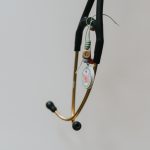
- Stethoscopes
- Examination tables
Although these devices typically only contact intact skin, they can become contaminated during use and contribute to the transmission of microorganisms.
Consistent cleaning and disinfection practices help prevent the spread of infection and protect both patients and healthcare workers.
What does the expiry date on a medical device reprocessing assessment certificate mean?
The expiry date indicates when CPSA expects to contact the clinic to arrange the next assessment and does not mean that compliance has lapsed, as clinics are expected to always maintain compliance.
Note: CPSA retains the authority to enter and assess a clinic at any time.
Questions or feedback? We'd love to hear from you.
Phone: 780-423-4764
Toll-free: 1-800-561-3899 (in Canada)
Fax: 780-428-2712